
Plant selection is one of the most consequential decisions in garden making. A species chosen without regard for climate hardiness, soil conditions, or eventual size will either fail or become a maintenance problem within a few seasons. This article focuses on the conditions that define Polish gardens and offers guidance on plant categories that perform reliably within them.
Understanding Poland's climate zones
Poland spans USDA hardiness zones 5 through 7, with most of the country falling in zones 5b to 6b. In practical terms, this means winter minimum temperatures of approximately -20°C to -10°C across most regions. Northeastern Poland (Podlaskie, Warmia-Mazury) experiences the coldest winters and is closer to zone 5; the southwestern corner around Wrocław is milder, often zone 6b or 7a.
Beyond cold hardiness, Polish summers bring moderate heat (rarely above 35°C for extended periods), variable rainfall, and a growing season of roughly 210–220 days in the south and 180–200 days in the northeast. Many Mediterranean or southern European plants that are marginally hardy will struggle not because of absolute cold but because of the combination of cold, damp winters and late spring frosts.
Reliable perennials for Polish gardens
Perennial plants — those that die back in winter and regrow from the root — form the backbone of most mixed borders. The following groups are well-established performers in Polish conditions:
Geranium (cranesbill)
Hardy geraniums (not to be confused with tender Pelargonium) are among the most versatile border plants for central Europe. Geranium species such as G. macrorrhizum, G. sanguineum, and G. 'Rozanne' tolerate a wide range of soils, are reliably hardy to zone 5, and provide long flowering periods. G. macrorrhizum in particular is an effective semi-evergreen ground cover for dry shade under trees — a common problem in Polish suburban gardens with mature birch or lime trees.
Echinacea and Rudbeckia
Prairie-origin perennials from North America perform well in Poland's continental summer climate. Echinacea purpurea (purple coneflower) and the various Rudbeckia species flower from July through September, provide structural interest into autumn as seedheads, and attract late-season pollinators. Both prefer well-drained to moderately moist soils and full sun.
Salvia nemorosa
Woodland sage and its cultivars (such as 'Caradonna' and 'Ostfriesland') produce upright spikes of violet-blue flowers from May to July and, if cut back after the first flush, again in late summer. Fully hardy to zone 4, this plant is extremely reliable in Polish gardens and works well in both formal and informal borders.
Astilbe
For moist, semi-shaded positions — particularly in gardens near rivers or with high water tables — Astilbe species provide feathery summer plumes in white, pink, and red. They are hardy to zone 4 and thrive in the wetter soils common in parts of Mazovia and Silesia.
Shrubs for structure
A border without shrubs loses its three-dimensional structure in winter. The following shrubs provide year-round value in Polish gardens:
Spiraea
Spiraea species are tough, adaptable deciduous shrubs that tolerate Polish winters without protection. S. japonica cultivars flower in summer and have attractive foliage; S. vanhouttei produces cascading white flowers in May. Both are widely available in Polish nurseries and establish quickly.
Deutzia
Deutzia shrubs flower prolifically in late spring, are hardy to zone 5, and tolerate both sun and partial shade. D. gracilis stays compact (around 1 metre) making it suitable for smaller plots.
Cornus (dogwood)
Winter-stem dogwoods — particularly Cornus alba 'Sibirica' (bright red stems) and C. sericea 'Flaviramea' (yellow-green stems) — provide the most vivid garden colour from November to March. They are vigorous growers, fully hardy, and work well at the back of borders or in slightly wet ground near water features.
Roses
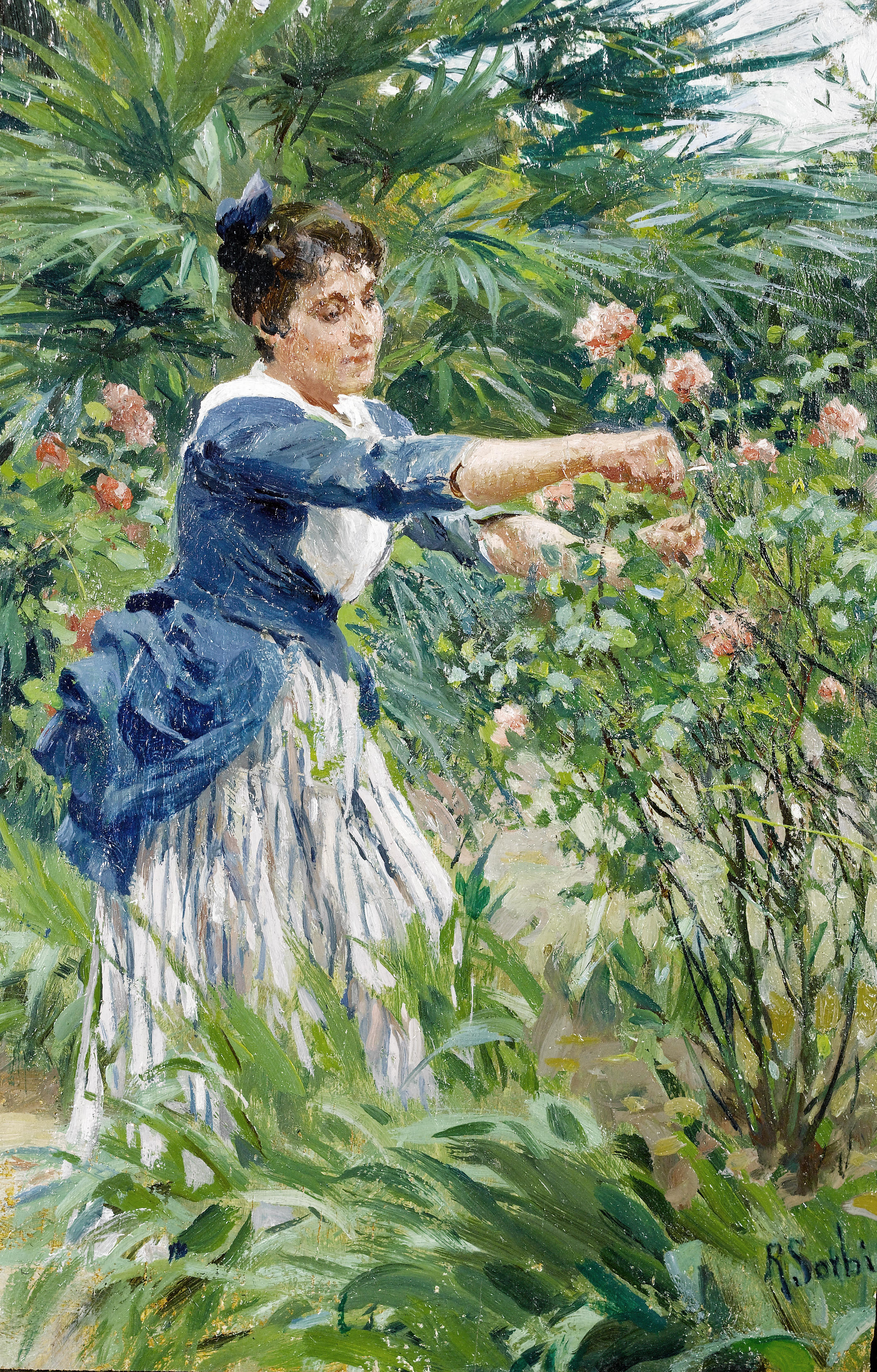
Roses remain the most widely planted flowering shrubs in Polish gardens. For reliable performance, species roses and shrub roses (such as Rosa rugosa hybrids) outperform hybrid teas in severe winter conditions. Rosa rugosa is particularly well suited to sandy soils, produces fragrant flowers from June, and develops ornamental hips in autumn that persist into winter.
Ground cover for problem areas
Ground-covering plants reduce maintenance significantly once established by suppressing weeds and stabilising soil. Options for Polish conditions:
- Waldsteinia ternata — semi-evergreen, tolerates dry shade, spreads by runners. Suited to slopes and under trees.
- Pachysandra terminalis — evergreen, shade-tolerant, slow to establish but long-lived. Useful under conifers where little else grows.
- Vinca minor — periwinkle. Spreads reliably in shade or semi-shade, produces blue flowers in spring. Can become invasive if not checked periodically.
- Ajuga reptans — bugle. Low-growing, tolerates wet soils, coloured-leaf cultivars provide year-round interest.
Trees for smaller plots
In a suburban garden of under 500 m², large forest trees are rarely appropriate. The following smaller trees are commonly used in Polish residential gardens:
- Amelanchier lamarckii — shadbush. White spring blossom, good autumn colour, multi-stemmed habit, reaches 5–6 metres at maturity.
- Sorbus aucuparia — rowan. Native to Poland, berries provide wildlife food, tolerates exposed positions.
- Cornus mas — cornelian cherry. Yellow flowers very early in spring (February–March) before leaves emerge. Tolerates clay soils.
- Malus ornamental crabapple varieties — spring blossom and persistent fruit, wide range of cultivar sizes from 3 to 8 metres.
What to avoid
Several plant categories frequently offered in Polish garden centres perform poorly or unreliably in the climate. Lavender (Lavandula angustifolia) survives in well-drained soils in sheltered positions but regularly fails in cold, wet, or heavy clay conditions — particularly in eastern and northern Poland. Mediterranean herbs such as rosemary are unreliable below zone 7 unless grown in very sheltered microclimates or overwintered under cover.
Ornamental grasses from warm-season growing regions, including some Miscanthus cultivars, may not set seed or display their full autumn colour in the shorter growing seasons of northern Poland. Check that the cultivar you are purchasing is specifically selected for northern European performance.